+353 871085537
 hello@nexventur.com


From Irish schools to Australian classrooms: A teacher’s personal story
Lisa Gunnigan is a Primary teacher from Kilkelly, County Mayo, who moved to Australia with her partner in October 2022 and settled in Brisbane, Queensland. Lisa started working as a teacher, before moving on to education recruitment. We caught up with her to find out more about teaching in Australia – the good and the not so good. Read on for Lisa’s account to discover what opportunities and experiences are available for teachers Down Under.
How did you go about getting a teaching job in Australia?
My partner is a civil engineer and secured his role in Australia through NexVentur. While I was waiting for my teaching registration to be approved, I spent a couple of months teaching kindergarten, which is similar to early years in Ireland. My previous experience was with 5th and 6th class in Ireland, so working with younger children wasn’t quite the right long-term fit for me. Once my registration was approved, I applied to the recruitment company that I’m working with now (SchoolHouse). Initially I was looking for a teaching job, but they hired me to work as a recruitment consultant for schools in Brisbane and the wider Queensland area. I’ve been doing this job for the past two and a half years and I really enjoy it! It’s been a great change from classroom teaching, and I love being able to support other expat teachers – helping them find roles and giving them the inside scoop on what schools are like here.
What is the difference between the teaching system in Ireland and the teaching system in Australia?
The teaching system in Australia is quite complex compared to Ireland. Australia has eight states/territories, each with its own education system and teacher accreditation requirements. So, as an Irish teacher moving here, you need to apply for registration with the specific state or territory where you plan to teach. For example, since I’m in Brisbane, I had to apply to the Queensland College of Teachers. The process can be quite lengthy – you’ll need to provide transcripts, police checks, and evidence of classroom experience. In Queensland, registration costs around $300, and it can take a few months for your accreditation approved.
In Ireland, the majority of schools are state-run, with a smaller number of private schools mainly focused on the Leaving Cert. Australia has a mix of state schools, independent schools, and Catholic schools. This diversity in school types can be a bit confusing and overwhelming for Irish teachers at first because it’s quite different from what we’re used to. The Australian education system is structured around key stages, making it more similar to the UK system than the Irish one.
For this reason, it can be really helpful to speak with a recruitment agency about schools and the registration process. Personally, I really enjoy helping teachers understand what to expect when they arrive and start job hunting, most people are really receptive and appreciative of the insight!
Are Irish teachers well received in Australia?
Irish teachers generally get on great in Australia. Our four-year degrees are recognised, and Aussie schools know we’ve had solid training back home. The fact that we’re native English speakers is a big tick straight away, and being raised Catholic is often a bonus, especially with so many Catholic schools around the country.
What part of the registration process can you complete to be job ready when you arrive in Australia?
That really depends on which state you’re planning to teach in. In Queensland, you can actually get the ball rolling before you even leave Ireland. You can submit all your paperwork and post it to the Queensland College of Teachers from home, super handy if you want to hit the ground running.
Other states work a bit differently. For example, in New South Wales, you’ll need to be in Australia to apply. That’s because they require things like your Tax File Number and a local address before you can register.
Is regional work an issue for teachers on a Working Holiday Visa finding jobs?
Yes, it can be. Teaching doesn’t count as regional work in Australia even though many regional schools are desperate for teachers.
If you’re on an Irish passport, you need to do three months’ regional work within your first year. This means that if you’re enjoying your school, you can only stay six months and the need to do regional work hovers in the back of your mind. The Australian schools are aware that Irish teachers must do a regional stint, so they tend to hire teachers on six-month contracts. A lot of Irish people are looking to get UK passports – because, if you have a UK passport, you don’t need to do their regional work.
Some schools can be a bit hesitant about hiring international teachers due to visa uncertainties. That’s where recruitment agencies can really help. We’re able to represent you, explain your situation clearly, and give schools confidence in hiring you, whereas applying to an advert on Seek, for example, doesn’t have the same foot in the door.
Note: Some teaching posts include a two-to four-year employer sponsored visa for experienced Irish and UK teachers with four-year degrees. In this case you don’t need to do regional work. Browse available jobs here.
How do the school terms and holidays work in Australia?
The Australian school year goes by calendar year, which means that the year starts in January and ends in December, with two semesters in between.
Our summer holidays in Ireland are definitely longer than the Aussie one. But the setup in Australia can still work really well, especially if you’re on a working holiday visa. You can line up a job to start at the beginning of a school term, work for six months, earn decent money, and then take a break. There’s usually about a three-week gap between terms, so you get a bit of downtime before deciding your next move. If you’re from the UK and don’t have to do regional work, schools are more likely to extend your contract for the rest of the year if they’re happy with you.
One thing to keep in mind: the summer holidays here run from early December to late January – about seven/eight weeks. Unfortunately, that’s not long enough to squeeze in the three months of regional work required to extend your visa if you’re on an Irish passport.


Top list of things teachers should do before you leave home
- Apply for your working rights – a Working Holiday Visa or Skilled Independent visa (depending on your circumstance)
- Work out where you are going to go live and teach
- Research the teaching accreditation for your chosen state – double check that you can get the accreditation as states may only recognise a four-year teaching degree
- Contact recruitment agencies such as SchoolHouse or NexVentur to represent you to schools and provide support and advice.
What salaries can teachers expect in Australia?
This depends on the state, but as a graduate teacher in Queensland, you can expect to earn around A$85,000 per year. This is higher than starting salaries in Ireland and works out to about €46,000. As you gain experience, your pay increases steadily, and overall, teacher salaries in Australia are very competitive. This includes strong daily rates for relief (or “supply”) teaching, which can be a great option if you’re not looking for a full-time role straight away.
What is a bush school in Australia?
Bush schools are located in some of the most remote parts of Australia, often in very small communities with limited infrastructure and amenities. Many of these schools don’t have websites and are only found on Facebook, we call them Facebook schools. They’re usually very small schools, covering everything from Junior Infants through to Senior years. Many students speak a local dialect at home and learn English as an additional language at school. The environment can be very challenging in these school and a major cultural adjustment. These communities can be isolated and difficult to access and have mostly Aboriginal and Torres Strait Islander students. Understanding and respecting the local culture is essential, and a willingness to learn and adapt is key to building trust and making a positive impact.
Despite the challenges, remote schools offer some excellent benefits. Many provide generous salary packages, accommodation, and meals. They also typically cover flights to and from your chosen city because of their remote nature. Some schools are located more than seven hours’ drive from the nearest major town!
You need to be resilient, flexible, and open-minded to thrive in this type of school setting. But for the right person, it can be a life-changing experience both personally and professionally.
Most Irish teachers tend to stick to the cities or coastal areas in Australia. However, for Irish teachers looking for an adventure and a desire to experience a different side of Australia, these remote schools can offer a unique and rewarding opportunity.
What other teaching options are there?
Teaching in regional areas can actually be a really enjoyable experience – especially if you’re based in or near a decent-sized town. Some areas in regional Queensland remind me a lot of home in East Mayo. You’ll usually find a few shops, a couple of pubs, a café or two, and a real sense of community that you just don’t get in the bigger cities.
Working in these areas also offers great professional opportunities. You can build valuable experience, grow into leadership roles faster. Some regional schools also offer sponsorship options ranging from two to four years to attract teachers – so if you’re hoping to stay in Australia beyond the typical working holiday visa, this can be a huge bonus (and you won’t need to worry about doing regional work to extend your visa). The downside is that there isn’t a big expat community in regional areas, and I think a lot of Irish people go to Australia for the expat community experience.
What are the things you love most about life in Australia?
- The weather! It never gets too cold in Brisbane
- Work life balance is great
- The expat community and meeting new people from all over Ireland
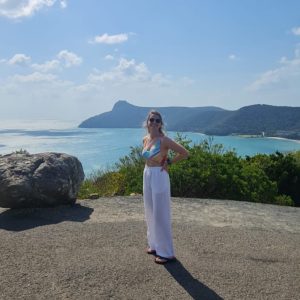
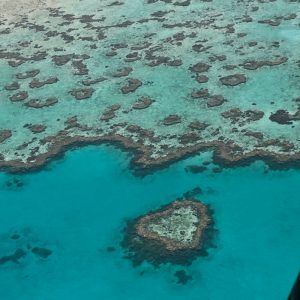
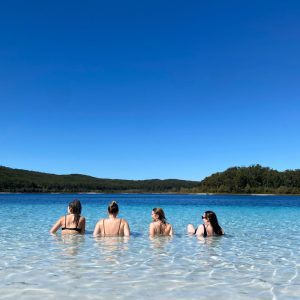
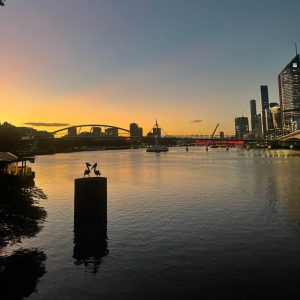
- The outdoor lifestyle and amazing beaches, especially in Queensland
What do you miss most about Ireland?
- Family and friends is definitely top of the list!
- Missing out on special events with family and friends
- The long evenings in the summer
Next steps to land a teaching job in Australia
If you are interested in teaching in Australia, or would like to register on our candidate database, submit your CV through the form below.